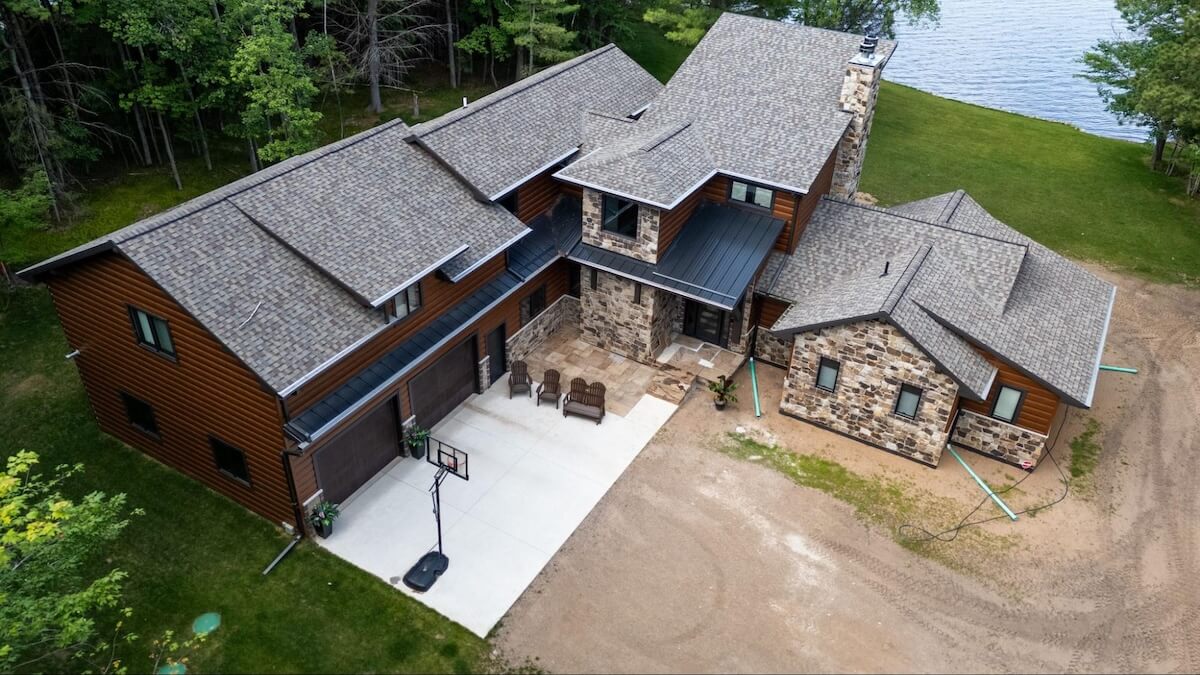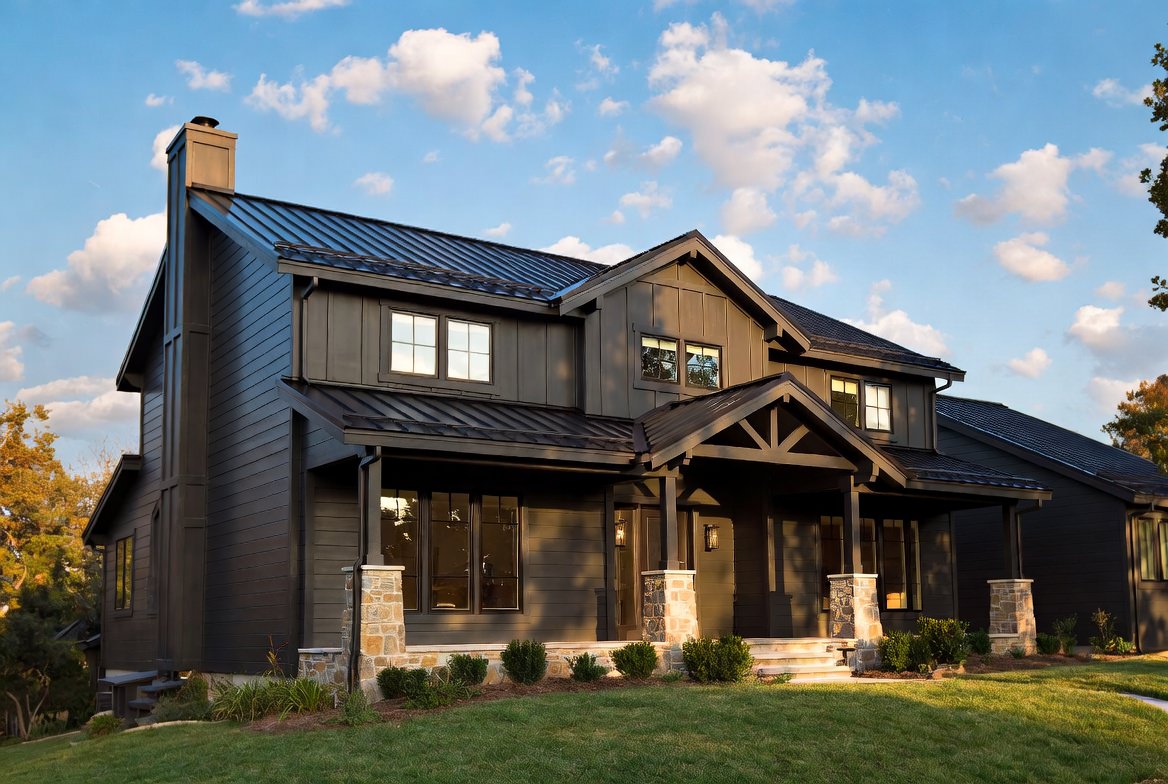
Metal siding has become one of the most popular choices for homeowners who want a durable, low-maintenance exterior that still looks great for decades. It stands up to fire, pests, rot, and severe weather far better than wood or vinyl, and modern finishes can convincingly mimic the warmth of natural wood. This guide walks through what metal siding is, the types available, its benefits, what it costs, how it compares to other materials, and the questions homeowners ask most often — so you can decide whether it’s the right fit for your home.
What Is Metal Siding?
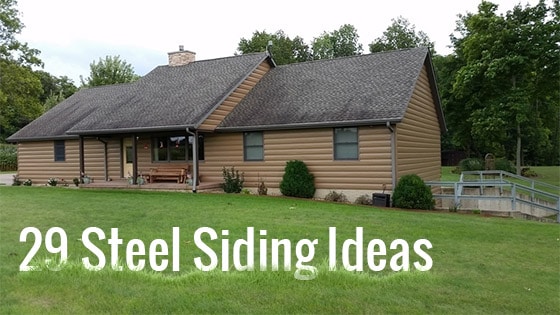
Metal siding is exterior cladding made from metal panels — most commonly steel or aluminum — installed to protect and finish a home’s walls. You’ll often see “metal siding” and “steel siding” used interchangeably, and for good reason: steel is the most common metal used for residential siding, so the two terms usually describe the same category. The main distinction is the metal itself. Aluminum is lighter and naturally rust-proof but dents easily, while steel is heavier, stronger, and far more impact-resistant, which is why it’s the material TruLog specializes in.
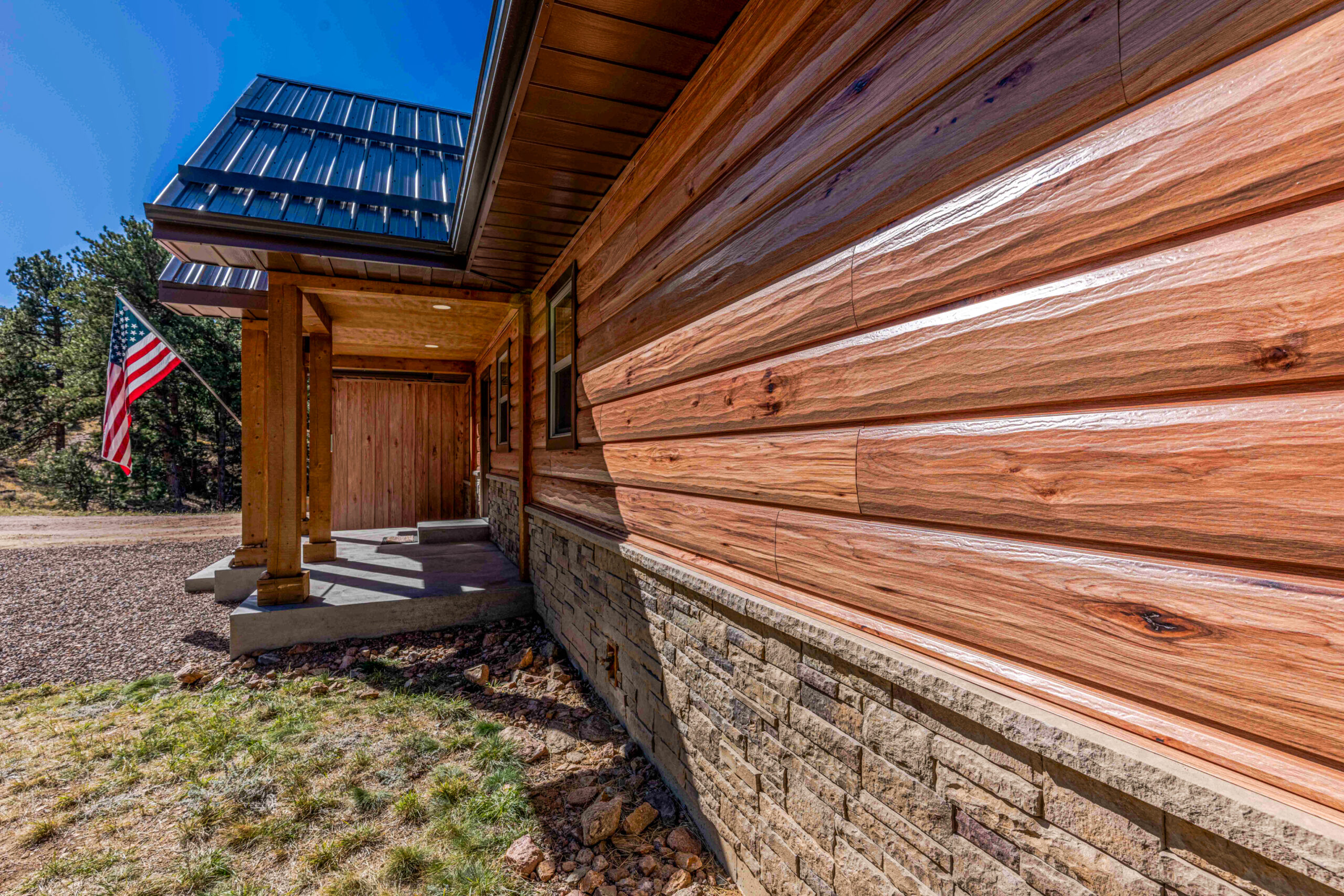
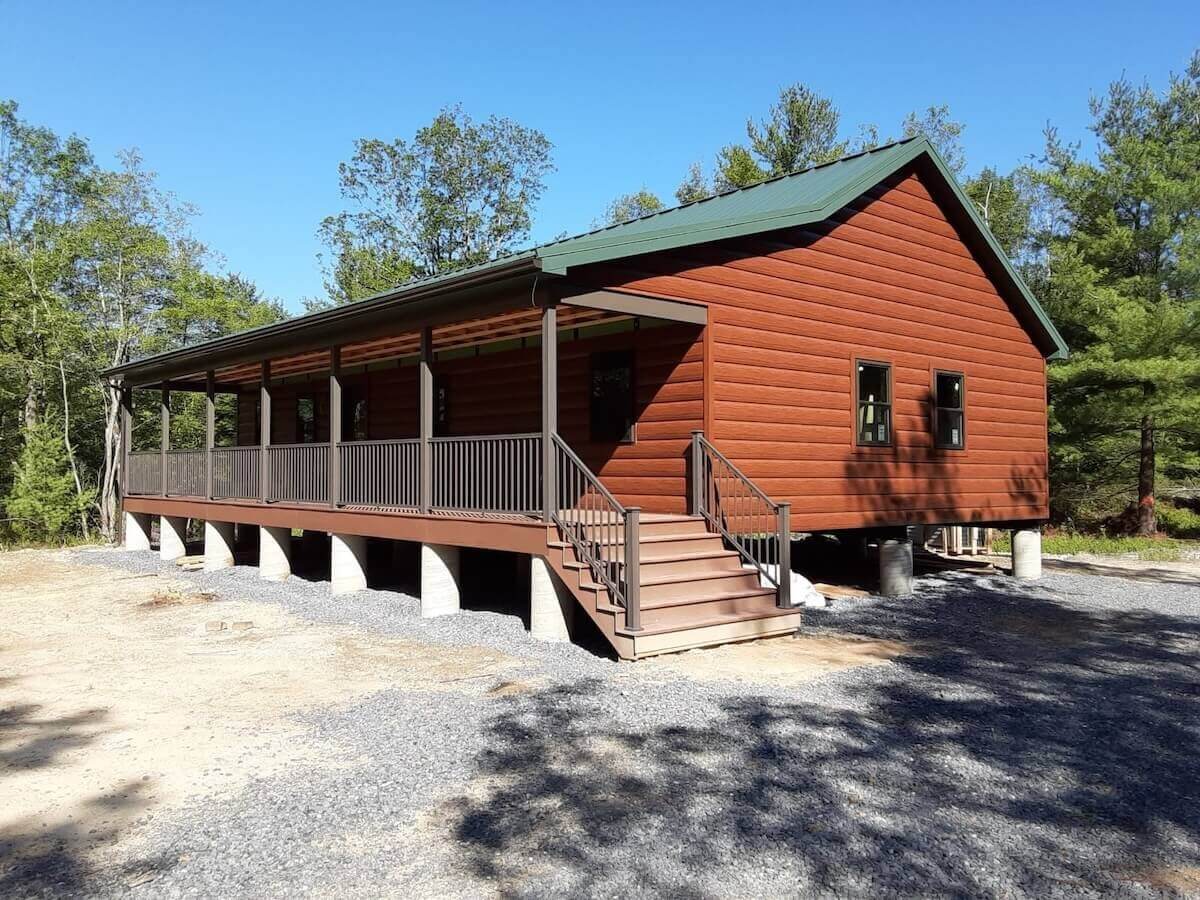
Unlike a bare metal barn panel, modern residential metal siding is coated and finished to look like traditional exteriors. It comes in profiles that replicate log, lap, and board-and-batten looks, along with a range of colors and woodgrain textures — so you get the toughness of metal without a cold, industrial appearance.
Types of Metal Siding
There are two useful ways to think about the types of metal siding: by the metal it’s made from, and by the panel profile it creates.
By material, the two main options are aluminum and steel. Aluminum resists corrosion and suits coastal, salt-air environments, but its softness makes it prone to dents and dings. Steel is the more durable choice for most homes, resisting impacts, high winds, and hail while holding its finish for decades.
By profile, metal siding is designed to recreate classic exterior styles. TruLog manufactures three:
- Steel log siding — rounded, log-profile panels that capture a rustic cabin or lodge look without the upkeep of real logs.
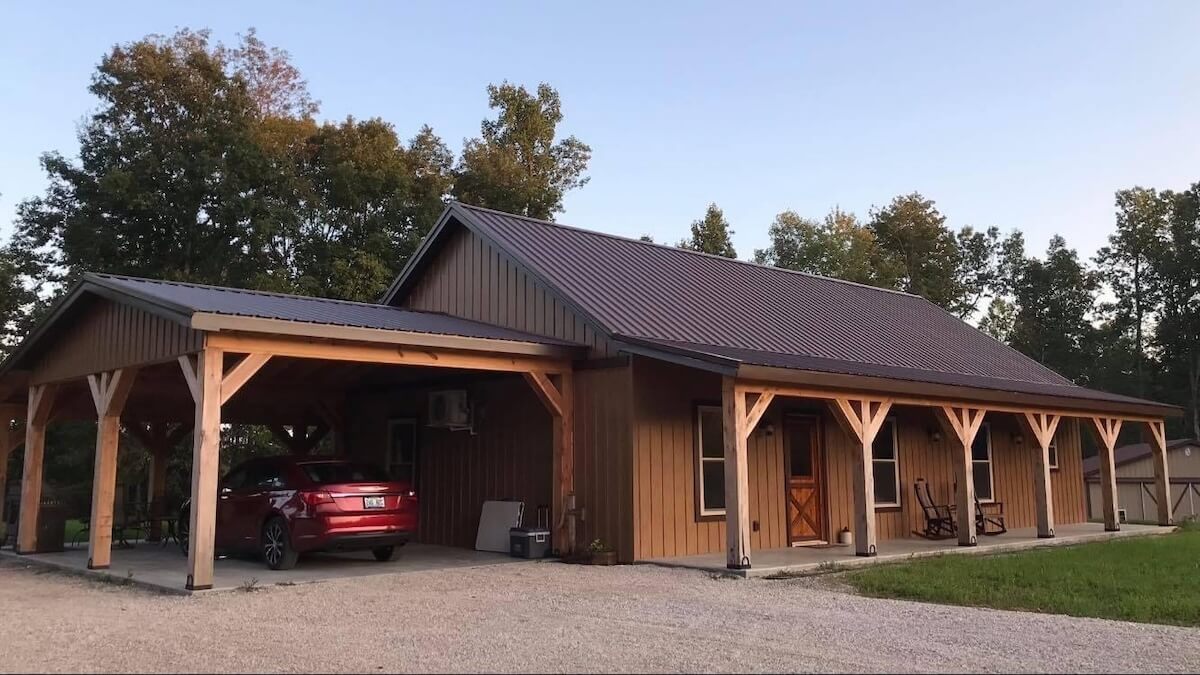
- Board and batten steel siding — vertical panels with a farmhouse and modern-barn aesthetic.
- Lap steel siding — traditional horizontal boards that suit nearly any home style.
You’ll also hear panels described by how they’re fastened. Exposed-fastener panels are screwed through the face and are quicker to install, while concealed-fastener systems hide the screws for a cleaner finish. Residential steel siding like TruLog’s is engineered to lock together for a seamless look with fasteners tucked out of sight.
Benefits of Metal Siding
The reason metal siding keeps gaining ground comes down to a combination of durability, safety, and low upkeep that few other materials match.
Long lifespan. Quality steel siding lasts roughly 40 to 70 years — two to three times the life of vinyl, which typically needs replacing every 20 to 30 years. That longevity is a big part of what makes metal cost-effective over the life of a home.
Fire resistance. Steel is non-combustible and carries a Class A fire rating, the highest available. In wildfire-prone regions, that’s meaningful peace of mind that wood and vinyl can’t offer.
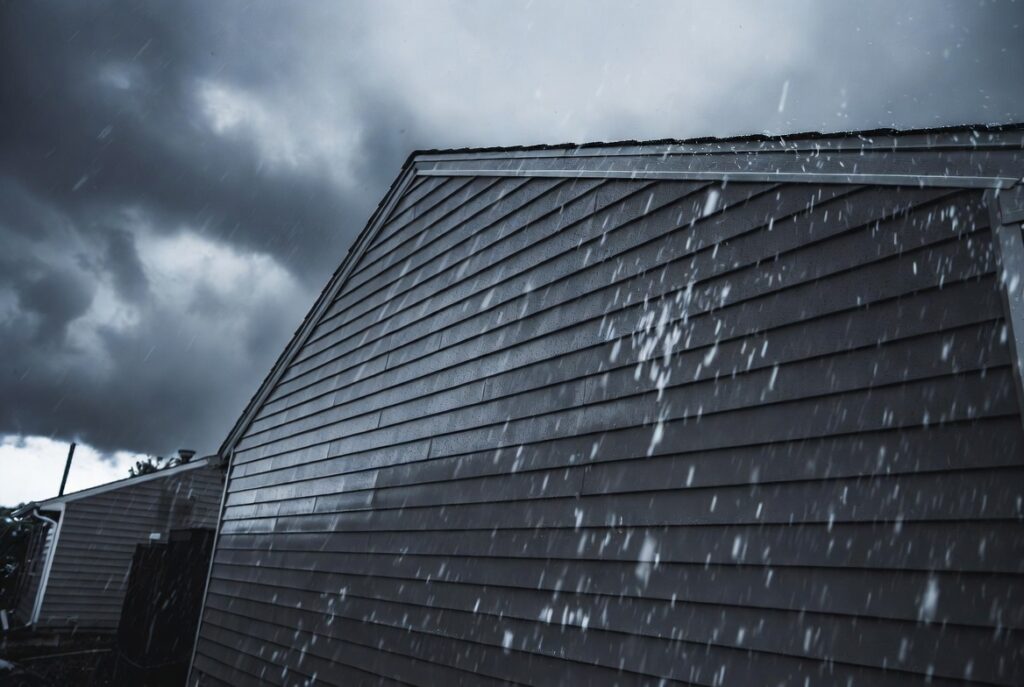
Impact and weather resistance. TruLog’s 26-gauge steel carries a Class 4 impact rating — the top tier — so it holds up to hail and flying debris. It won’t warp in intense heat or rot from rain, snow, and moisture the way wood does.
Low maintenance. Metal siding never needs staining, sealing, or repainting to stay protected. TruLog’s finish carries a non-prorated 30-year paint warranty as part of the limited lifetime TruLog warranty, and resists cracking, peeling, flaking, blistering, chipping, and fading — so upkeep is usually just an occasional rinse with a hose.
Pest and rot proof. Insects like termites and carpenter ants have nothing to feed on, and steel won’t rot, so the wall stays sound.
Energy efficiency and sustainability. Reflective finishes and foam-backer insulation options help reduce energy bills, and steel is fully recyclable at the end of its long life rather than heading to a landfill.
How Much Does Metal Siding Cost?
Steel siding generally runs between $4.25 and $8.50 per square foot for materials, which puts it in the same range as vinyl ($4.50 to $8.20) — so it’s more affordable than many homeowners expect for a premium material. Where the total lands depends on the profile, color or woodgrain finish, and your home’s size. Installation typically adds roughly the same amount as the materials, though steel’s interlocking design means many homeowners successfully install it themselves and save on labor. See our steel siding cost page for more information, or see TruLog steel siding pricing for every profile and finish.
Because pricing varies by profile and finish, it’s worth reviewing the full numbers before you budget. See our detailed cost breakdown by profile for exact per-square-foot pricing on log, lap, and board and batten.
Metal Siding vs. Other Materials
How does metal stack up against the alternatives? At a high level:
- Vs. vinyl: Steel and vinyl cost about the same upfront, but steel lasts far longer and resists the fading, warping, and cracking that shorten vinyl’s life. Over time, steel tends to be the more economical choice. For the full head-to-head, see metal vs. vinyl siding.
- Vs. fiber cement (Hardie board): Both are durable and fire-resistant, but fiber cement is heavy, can crack, and needs repainting over time, while steel is lighter, holds its finish longer, and is easier to install. Compare the numbers in our guide to metal siding vs. Hardie board.
- Vs. wood: Real wood offers unmatched authenticity but demands constant maintenance and is vulnerable to rot, pests, and fire. Steel delivers the same rustic looks — including convincing woodgrain log profiles — without the upkeep.
The short version: metal siding sits in the middle of the price range but at the top of the durability range, which is what makes it such a strong value.
Metal Siding Colors & Design Ideas
Modern metal siding is a long way from the plain silver panels of the past. TruLog steel siding comes in 13+ colors and woodgrain finishes, from warm cedar and rich browns to crisp whites, deep charcoals, and matte blacks — plus HD woodgrain and hickory prints that look strikingly like real timber. Pairing a profile with the right color completely changes a home’s character: a log profile in cedar reads rustic cabin, while board and batten in matte white leans modern farmhouse.
For inspiration by color, browse our galleries of gray metal siding ideas, white metal siding, and brown metal siding. To compare profiles, costs, and durability, see our guide to steel siding.
Common Questions About Metal Siding
Is metal siding loud in the rain? No. The “noisy metal roof” reputation doesn’t apply to wall siding. Residential metal siding is installed over solid sheathing, often with insulation or a foam backer behind it, so it’s no louder than any other exterior material during rain or wind.
Does metal siding rust? Quality steel siding is coated and painted to resist corrosion, so rust isn’t a concern for decades — TruLog’s finish is engineered specifically to prevent it, and aluminum siding doesn’t rust at all. Bare, uncoated metal is a different story, which is why the factory finish matters.
Does metal siding dent? Heavier-gauge steel strongly resists denting. TruLog’s 26-gauge steel carries a Class 4 impact rating — the highest tier — so it withstands hail and debris far better than thin aluminum or brittle vinyl. Only extreme impacts tend to leave a mark.
Is metal siding worth it? For most homeowners, yes. It costs a bit more than the cheapest options upfront, but its 40-to-70-year lifespan, fire resistance, and near-zero maintenance usually make it cheaper to own over time.
For a deeper look at the misconceptions around this material, read our full breakdown of the common myths about steel siding.
Why Choose TruLog Steel Siding
TruLog manufactures American-made, patented 26-gauge steel siding built to outlast and outperform traditional exteriors. Every panel is engineered for a seamless, interlocking fit and finished with a world-class coating that carries a non-prorated 30-year paint warranty as part of the limited lifetime TruLog warranty, so your home keeps its curb appeal for decades with almost no upkeep. With three profiles — log, board and batten, and lap — and 13+ colors and woodgrain finishes, you can get virtually any look you want in a material that resists fire, hail, pests, and rot.
Ready to see it on your home and plan your project? Explore steel siding pricing to budget your project, or try the visualizer tool to preview TruLog profiles and colors on a home like yours.
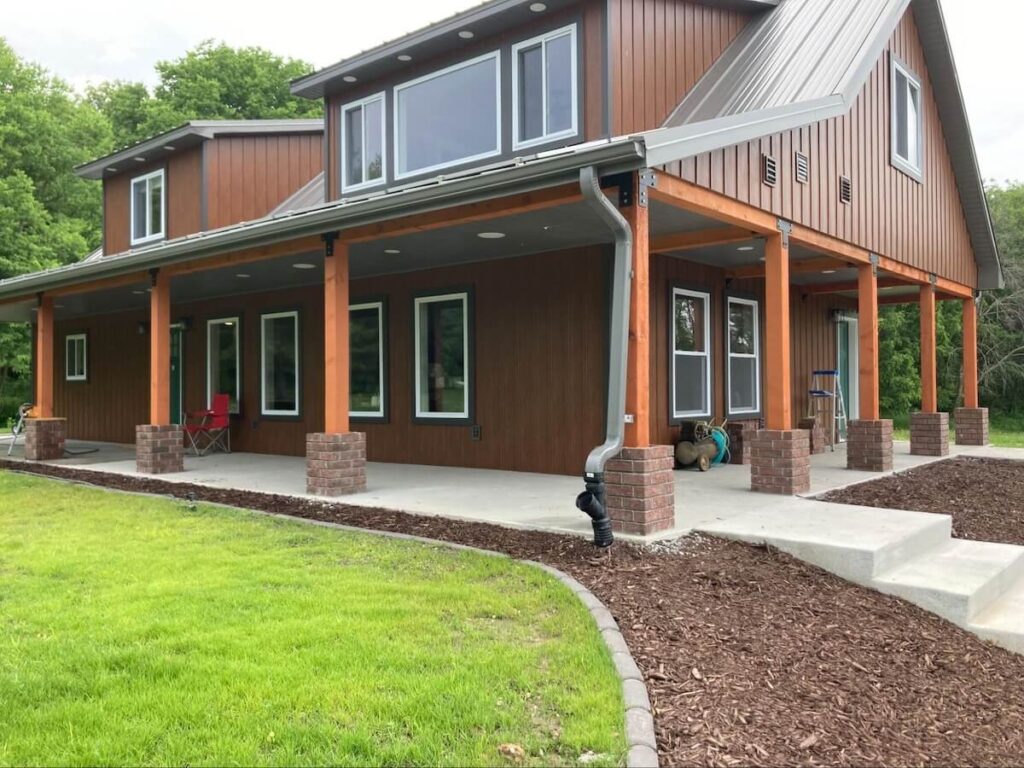
Steel vs. Aluminum vs. Zinc vs. Copper Siding
“Metal siding” covers four very different metals. Each one has its own lifespan, toughness and price. Here’s how they compare on the points homeowners ask about most.
| Metal | Typical Lifespan | Dent Resistance | Coastal Fit | Cost Tier |
|---|---|---|---|---|
| Steel | 40 to 70 years | High. TruLog’s 26-gauge steel is rated Class 4 for impact. | Fair to good. Depends on the coating, so check the TruLog warranty terms for salt-air exposure. | Moderate |
| Aluminum | 30 to 50 years | Low. A softer metal that dents from hail and impacts. | Excellent. Naturally resists salt-air corrosion. | Moderate |
| Zinc | 80 to 100+ years | Moderate. Soft enough to dent, and scratches heal over time as the patina forms. | Good, though constant salt spray can speed up wear. | High |
| Copper | 70 to 100+ years | Low to moderate. A soft metal that shows dents. | Excellent. Develops a protective green patina. | Premium |
The bottom line: Zinc and copper last the longest and have a striking look, but they cost the most and are usually chosen for architectural accents more than for a whole home. Aluminum is the best fit right on the coast but is the easiest to dent. For most homes, especially in hail country, steel offers the best balance of toughness, lifespan and cost. See TruLog steel siding pricing.
Metal Siding Panel Styles
Panel style, or profile, shapes the look of your home more than anything else. Metal siding comes in five main profiles. TruLog makes the three that are designed to look like wood: lap, board and batten, and log.
Lap Siding
Horizontal boards that overlap, like traditional clapboard. Lap is the most familiar siding look in America and fits almost any home, from ranch to farmhouse to colonial. Explore TruLog Lap Siding.
Board and Batten
Wide vertical panels with narrow strips (battens) covering the seams. Board and batten makes walls look taller and is a signature of modern farmhouse, barn-style and mountain homes. It also works well as an accent on gables or entryways paired with lap. Explore TruLog Board and Batten.
Log Profile
Rounded panels that look like stacked logs, with woodgrain texture for a real-timber look. Log siding gives you the cabin look without the staining, chinking, rot or insect problems of real logs. It’s popular for cabins, lodges and rural homes. Explore TruLog Log Siding.
Corrugated
Wavy, rippled panels known from barns, sheds and industrial buildings. Corrugated metal is affordable and has caught on in modern and industrial designs, but it reads as metal, not wood. TruLog doesn’t make corrugated panels.
Standing Seam
Smooth, flat panels joined by raised vertical seams. Standing seam is best known as a roofing system but is also used as siding for a clean, contemporary look. It needs specialized installers and usually costs more than other profiles. TruLog doesn’t make standing seam panels.
Not sure which style fits your home? Browse real installations in our log, board and batten and lap galleries.
Metal Siding Gauge and Thickness, Explained
“Gauge” is how the metal industry measures steel thickness, and it runs backward: the lower the number, the thicker the steel. A 24-gauge panel is thicker than a 26-gauge panel, which is thicker than a 29-gauge panel.
In everyday terms, a 26-gauge steel sheet is typically a little under 2/100 of an inch thick, about the thickness of a few credit cards stacked together. That doesn’t sound like much, but steel is strong for its weight. Thickness, panel shape and coating together are what give siding its stiffness and dent resistance.
| Gauge | Relative Thickness | Where You Usually See It |
|---|---|---|
| 24 gauge | Thickest | Commercial buildings and heavy-duty architectural panels |
| 26 gauge | Mid-weight | Quality residential siding, including TruLog |
| 28 to 29 gauge | Thinnest | Sheds, barns and budget agricultural panels |
What this means for your home: Every TruLog panel is made from 26-gauge steel. That puts it in the heavier class of residential siding, stiff enough to resist everyday dings and to stay flat and straight on the wall. Thinner 28 and 29-gauge panels cost less, but they dent more easily and can show waviness. When you compare quotes, ask every supplier what gauge they use. It’s one of the simplest ways to compare products fairly.
Metal Siding Cost at a Glance
TruLog steel siding prices depend on two things: the panel style and the finish. Every option uses the same American-made 26-gauge steel. The finish is what changes the price.
| Profile | Standard TruLog™ (Solid Colors) | Premium TruLog™ (HD Wood Grain) | TruGrain™ (Digital Wood Grain Print) |
|---|---|---|---|
| Lap | $4.25/sq. ft. | $5.25/sq. ft. | $6.25/sq. ft. |
| Board and Batten | $4.25/sq. ft. | $5.25/sq. ft. | $6.25/sq. ft. |
| Log | $5.50/sq. ft. | $6.50/sq. ft. | $7.50/sq. ft. |
| Soffit and Fascia | $35/panel | $45/panel | $55/panel |
Installed costs depend on your home’s size, the trim and accessories you need, and local labor rates. Some homeowners install it themselves. National cost guide HomeGuide puts professionally installed steel siding at $7 to $16 per square foot, or about $14,000 to $32,000 for a typical 2,000-square-foot home. For a full breakdown, including installation and how steel compares with vinyl, see our steel siding cost guide.
How Metal Siding Handles Hail, Wind and Fire
Siding is your home’s first line of defense against the weather. Here’s how TruLog steel siding holds up, and which ratings back it up.
Fire: Class A Rated
Steel doesn’t burn. TruLog steel log siding was tested by Intertek, an independent lab, under ASTM E84, the standard test for how building materials spread flame. It scored a flame spread index of 0, earning a Class A rating, the highest class available. That makes steel a strong choice in wildfire country, where vinyl can melt and wood can ignite.
Hail: Class 4 Impact Rated
TruLog’s 26-gauge steel carries a Class 4 impact rating, the top tier for impact resistance. Vinyl can crack and fiber cement can chip in a hard hailstorm, but steel is far more likely to come through intact. Very large hail can still leave dents in any metal, so it’s worth knowing your homeowner’s insurance coverage if you live in hail country.
Wind: Installation Matters Most
How well any siding stands up to wind depends as much on the installation as on the panel. TruLog panels interlock and fasten directly to the wall sheathing, so they don’t flap or crack in the wind like vinyl can. To get the best wind performance, follow the TruLog installation guide, and check with your local building department about wind requirements in your area.
Metal Siding Pros and Cons: An Honest Look
No siding is perfect for every home. Here’s what metal siding does well, and where it asks more of you.
Pros
- Long life. Quality steel siding can last decades, far longer than vinyl.
- Class A fire rating. Steel won’t burn, melt or feed a fire.
- Low maintenance. No painting, staining or sealing. TruLog finishes are backed by a non-prorated paint TruLog warranty of up to 30 years.
- No rot or pests. Moisture, termites and woodpeckers can’t damage steel.
- The look of real wood. Woodgrain finishes give you the warmth of logs or cedar without the upkeep.
Cons
- It can dent. Steel resists impact far better than vinyl, but very large hail or a hard hit can still leave a dent. Dents generally can’t be popped back out, so a damaged panel gets replaced. It’s smart to order a few extra panels with your project so you have a color-matched spare on hand.
- Installation takes more skill. Steel needs metal-cutting tools, careful measuring and clean trim work. Mistakes are harder to hide than with vinyl. Plenty of handy homeowners install it themselves, but if you hire a contractor, choose one with metal siding experience.
- It can be noisy over open framing. On a barn, shed or garage where the panels attach straight to studs with no sheathing behind them, rain and hail can be loud. On a house, with sheathing and insulation behind the siding, steel is no noisier than other siding.
- Higher upfront cost. Steel costs more than vinyl to buy. The trade-off is a longer life and little to no maintenance.
- Deep scratches need a touch-up. A scratch that goes through the finish to bare steel should be touched up with matching paint to keep rust from starting.
Choosing Metal Siding for Your Climate and Home Style
The right siding depends on two things: the weather it has to stand up to and the look you want. Here’s how to match metal siding to both.
By Climate
| Climate | What Matters Most | What to Choose |
|---|---|---|
| Hail country | Impact resistance | Steel. It holds up to hail far better than vinyl or fiber cement. Stick with 26-gauge or heavier. |
| Wildfire areas | Fire resistance | Steel. Its Class A fire rating makes it one of the safest siding choices where wildfire is a risk. |
| Cold, snowy winters | Moisture and freeze-thaw | Steel. It doesn’t absorb water, so it won’t swell, crack or rot through repeated freezes and thaws. |
| Hot, sunny regions | Fading and heat | Steel with a fade-resistant finish. Lighter colors reflect more sunlight and help keep walls cooler. |
| Coastal homes | Salt-air corrosion | Aluminum is the classic pick right on the water. Steel can work near the coast, but ask about TruLog warranty coverage for salt-air exposure before you order. |
By Home Style
| Home Style | Best Profile | Finish Ideas |
|---|---|---|
| Cabin, lodge or rustic retreat | Log siding | Warm woodgrains like Western Cedar, Ponderosa Pine or Dark Walnut |
| Modern farmhouse | Board and batten | Crisp Matte White or Matte Black, with contrasting trim |
| Mountain or barn-style home | Board and batten or log | Weathered Gray, Driftwood or Silverwood for a sun-bleached, rustic look |
| Ranch, colonial or traditional | Lap siding | Classic solids like Musket Brown or Dark Charcoal, or Barnwood Plank for a reclaimed-wood look |
| Craftsman or transitional | Lap with board and batten accents | Lap on the main walls and board and batten on gables or entries for added texture |
Still deciding? Try different profiles and colors on a photo of your own home with the TruLog visualizer, or order samples to see the finishes in person.
The TruLog Color Collection
TruLog offers 13+ colors, all on the same American-made 26-gauge steel, and most are available in all three profiles: log, lap and board and batten. The collection comes in three finish tiers, from classic solids to lifelike digital woodgrain prints.
| Finish Tier | The Look | Colors |
|---|---|---|
| Standard TruLog™ | Clean, solid colors | Matte White, Matte Black, Dark Charcoal, Musket Brown |
| Premium TruLog™ | HD woodgrain with natural tone variation | Western Cedar, Ponderosa Pine, Dark Walnut, Weathered Gray, Driftwood |
| TruGrain™ | Digital woodgrain prints for the most realistic wood look | Hickory, Red Oak, Mahogany, Silverwood, Barnwood Plank (board and batten only) |
Grays
Gray is one of today’s most popular siding colors. It reads modern on a farmhouse and natural on a mountain home. Choose Dark Charcoal for a bold, solid look, or Weathered Gray, Driftwood and Silverwood for the feel of sun-bleached wood. Get gray metal siding ideas.
Whites
Matte White is the go-to for modern farmhouse style, especially on board and batten with black trim and window frames. It also reflects more sunlight than darker colors, which helps in hot, sunny climates. See white metal siding on real homes.
Browns and Woodgrains
For a classic cabin or lodge, warm woodgrains like Western Cedar, Ponderosa Pine and Hickory give you the look of real logs without the staining. Musket Brown and Dark Walnut offer deeper, richer tones. See the full TruLog color collection.
See it on your home first. Upload a photo of your house to the TruLog visualizer and try any color and profile combination before you decide.
Metal Siding FAQ
How long does metal siding last?
Quality steel siding typically lasts 40 to 70 years, two to three times longer than vinyl. Zinc and copper can last even longer, but they cost far more.
How much does TruLog steel siding cost?
TruLog steel siding ranges from $4.25 to $7.50 per square foot for materials, depending on the profile and finish. Lap and board and batten start at $4.25, and log siding starts at $5.50. See the TruLog steel siding pricing for every option.
What gauge is TruLog siding?
Every TruLog panel is made from American-made 26-gauge steel. That puts it in the heavier class of residential siding, stiffer and more dent-resistant than the 28 and 29-gauge panels often used on sheds and barns.
Is metal siding fire resistant?
Yes. Steel doesn’t burn. TruLog steel siding has a Class A fire rating, the highest available, based on independent ASTM E84 testing. That makes it a strong choice in wildfire-prone areas.
Can I install metal siding myself?
Many handy homeowners do. You’ll need metal-cutting tools such as a miter saw with a ferrous metal blade or electric shears, plus careful measuring for clean trim work. TruLog provides step-by-step installation guides for each profile. If you hire a contractor, choose one with metal siding experience.
Does metal siding need painting or maintenance?
No painting, staining or sealing is needed. TruLog panels come with a factory finish backed by a non-prorated paint TruLog warranty of up to 30 years. An occasional rinse with a garden hose keeps them looking their best. If a deep scratch exposes bare steel, touch it up with matching paint.
How do I choose the right color and profile?
Start with the TruLog visualizer, which lets you try any color and profile on a photo of your own home. Then order a sample pack to see the finishes in person before you buy.
See TruLog Steel Siding in Person
Colors look different on a screen than they do in your own daylight. Order a TruLog sample pack to see and feel the finishes, compare woodgrains against your trim and roof, and choose with confidence.
When you’re ready, request a free estimate. Tell us about your project and we’ll help you choose the right profile, color and accessories, and figure out how much you need. TruLog steel siding is American-made in LaSalle, Colorado, and ships nationwide.