Metal building siding options have come a long way in recent years, now offering a rich variety of styles, textures, and colors that can complement any commercial or residential building. Explore the different metal siding options out there, and find the perfect fit — in terms of both style and performance — for your next building project.
Pros and Cons of Metal Siding
Though metal siding may conjure images of bland grey panels at first, today’s products are much more modern and aesthetically pleasing than those available just a few decades ago. From textured surfaces to a full spectrum of colors, builders have a wealth of design opportunities waiting for them with metal building siding options.
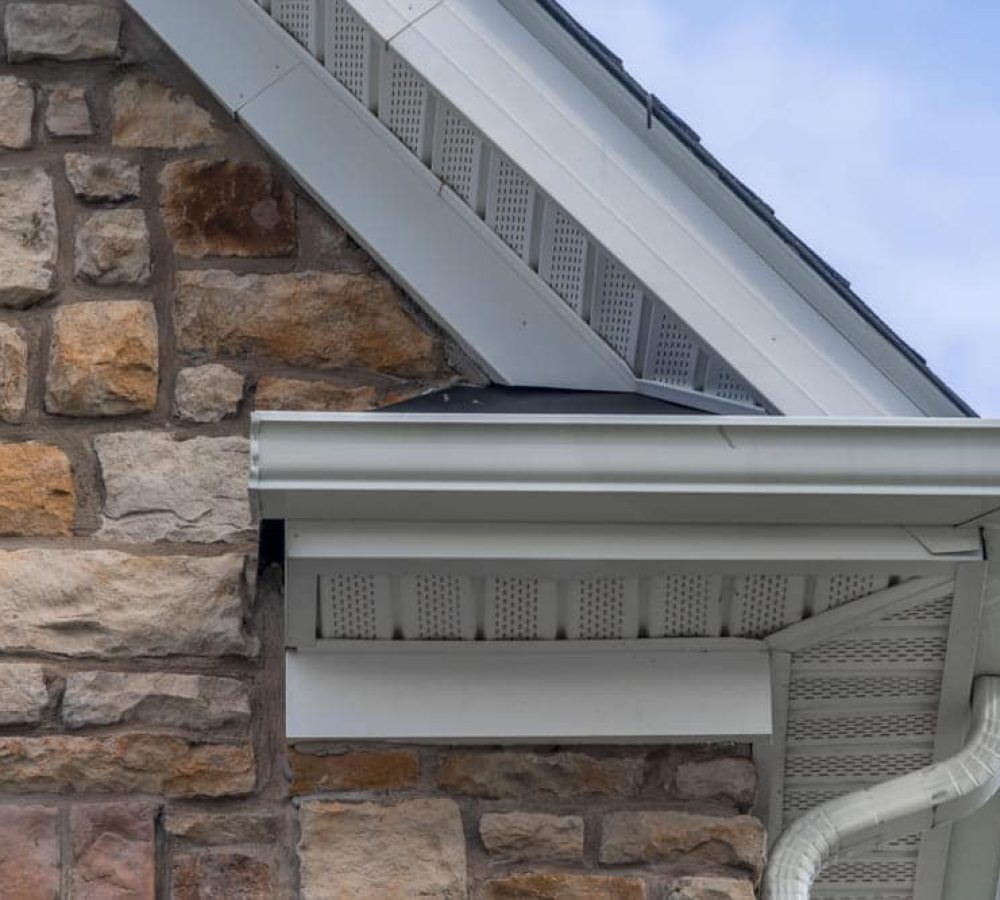
Beyond style, metal building siding options offer incredible performance capabilities. Durability is one of the most valuable attributes of metal siding. Steel won’t warp, crack, rot, or sag the way that other siding materials, like wood or vinyl, commonly do. Plus, flammability concerns are eased with metal siding, and termite control is essentially resolved without extra effort. Simply put, metal siding offers a low-maintenance solution for exterior protection and long-lasting performance.
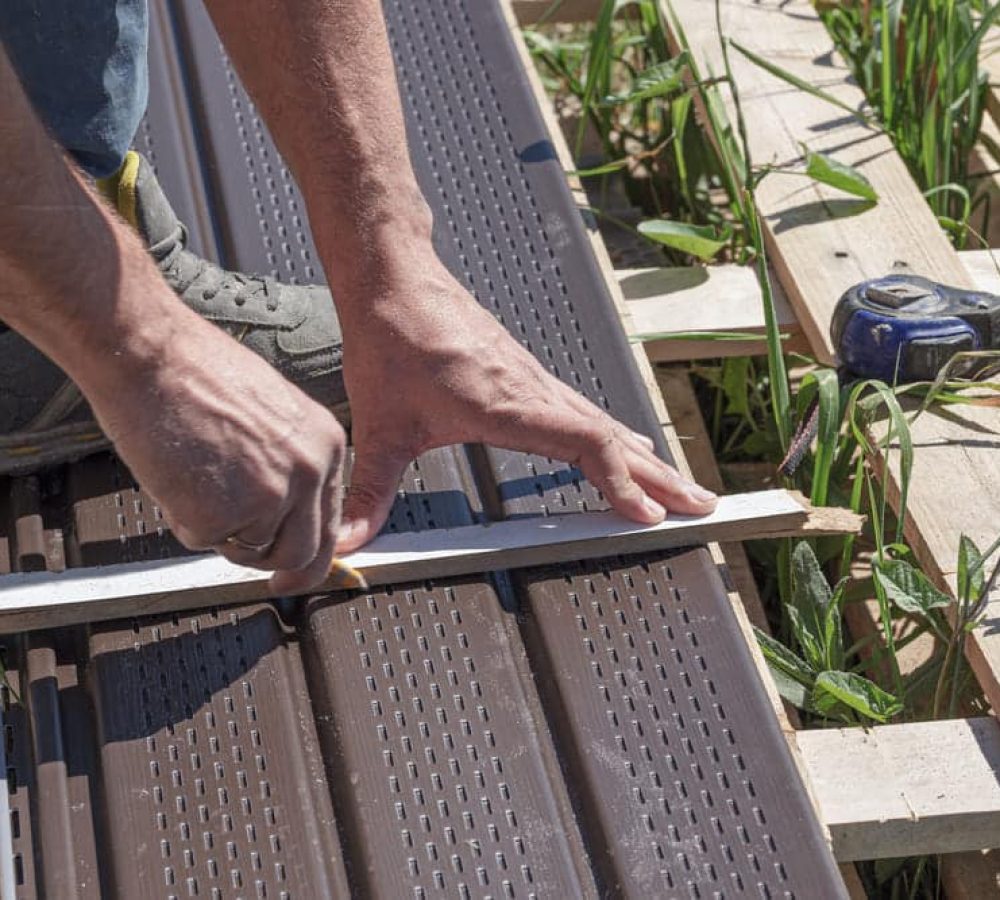
One of the most common concerns with steel — and there aren’t many — is that it requires professional expertise for replacement panels and repairs, since most homeowners aren’t experienced in working with metal siding. While this may be true in some cases, the need for replacement siding is quite uncommon, thanks to the increased durability of metal building siding. Texture may also play a role in upkeep, as metal siding styles that feature more grooves may require a tad more time when cleaning or inspecting for repairs.
All in all, metal building siding options are vast, and most builders find it easy to discover a metal siding selection that suits their needs and design tastes. Take a look at the best steel building siding options on the market today.
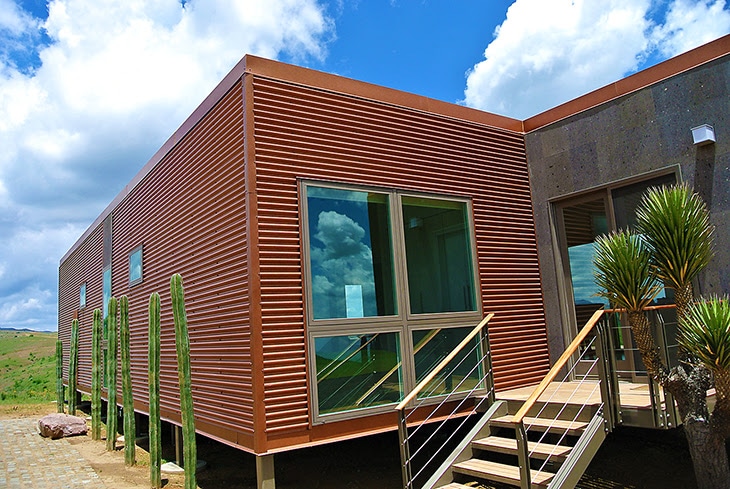
Corrugated Metal
Corrugated siding is an excellent choice for builders who prefer rich texture throughout the exterior. Featuring a uniformly wavy pattern, corrugated metal siding shows off a very linear design aesthetic, and the siding can be installed either vertically or horizontally to achieve the desired effect. Because of the incredible texture, corrugated metal also hides wear and tear better than smoother siding surfaces.
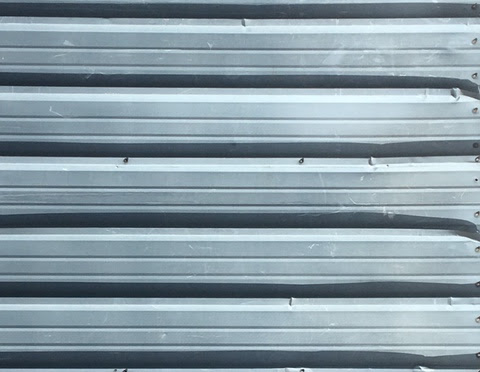
Box Rib Siding
With a box-shaped pattern and exposed fasteners, box rib siding is a great blend of industrial and modern residential styles. Another linear design, this versatile metal siding option features solid visual texture, and the prominence of the raised areas adds depth to exterior siding. Box rib siding is a reliable choice for many different types of structures, including homes, workshops, and commercial spaces.
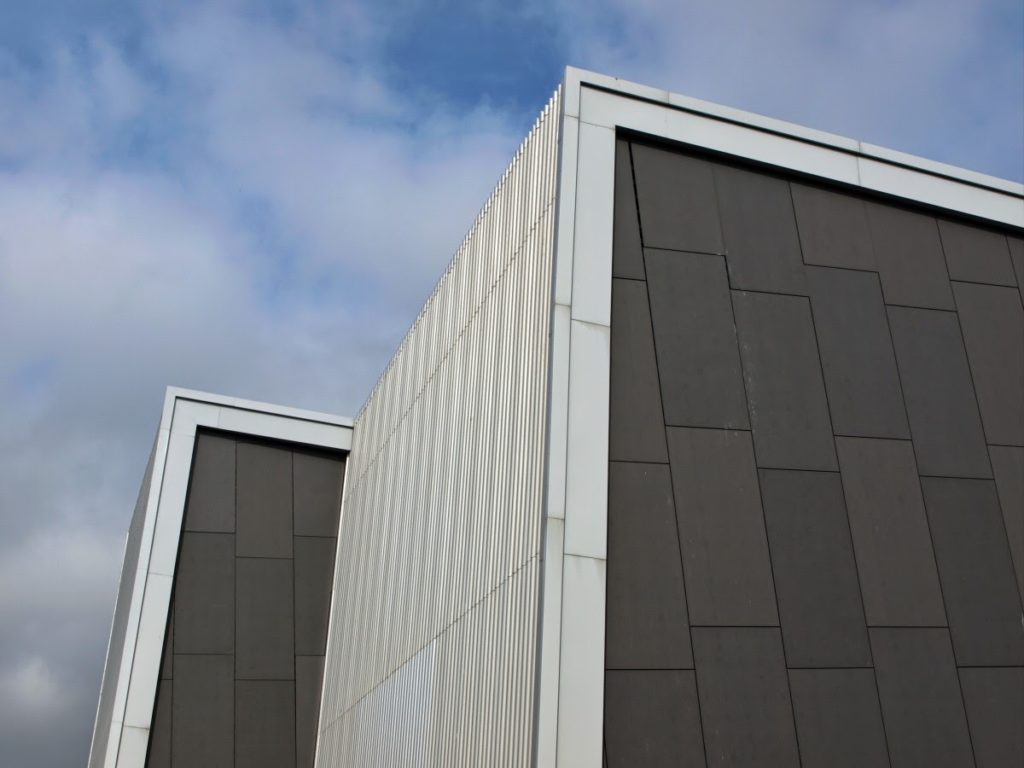
Flat Metal Panels
With a sleek surface, flat metal panels are a fine example of an urban chic aesthetic, yet these panels look just as great in residential areas as well. There are so many different ways to instal flat metal panels, and the seams can be staggered or emphasized with grooves to create more intricate patterns, too. With such a smooth surface, flat metal panels create a crisp, polished appearance on metal building exteriors.
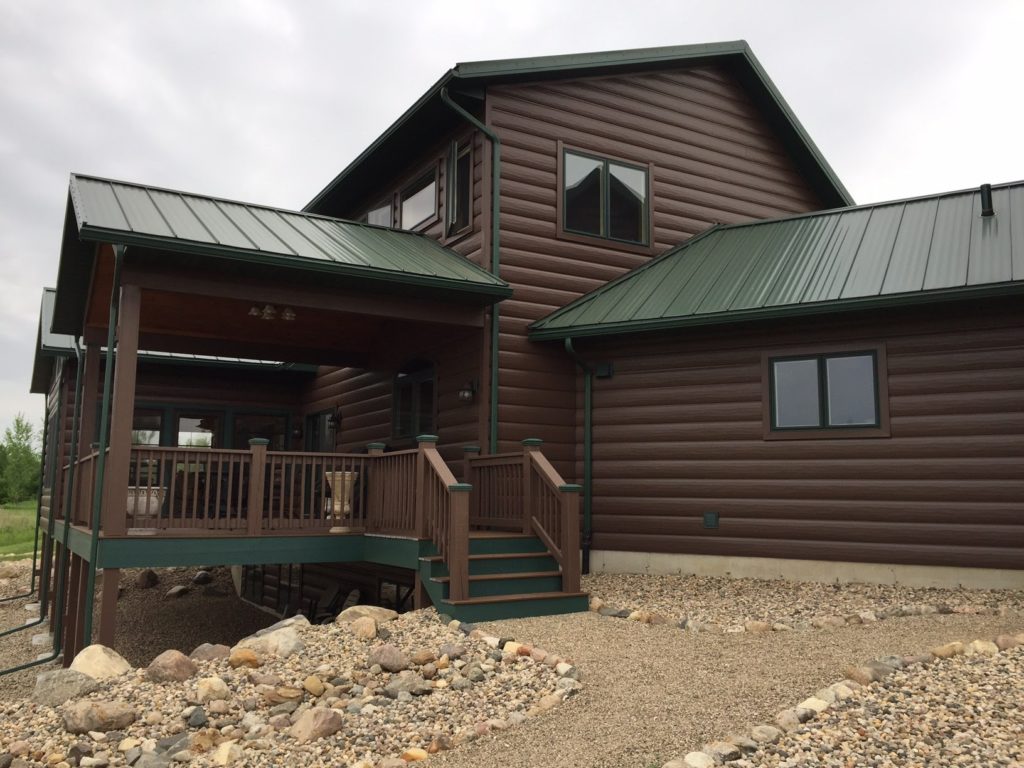
Log-Look Metal Siding
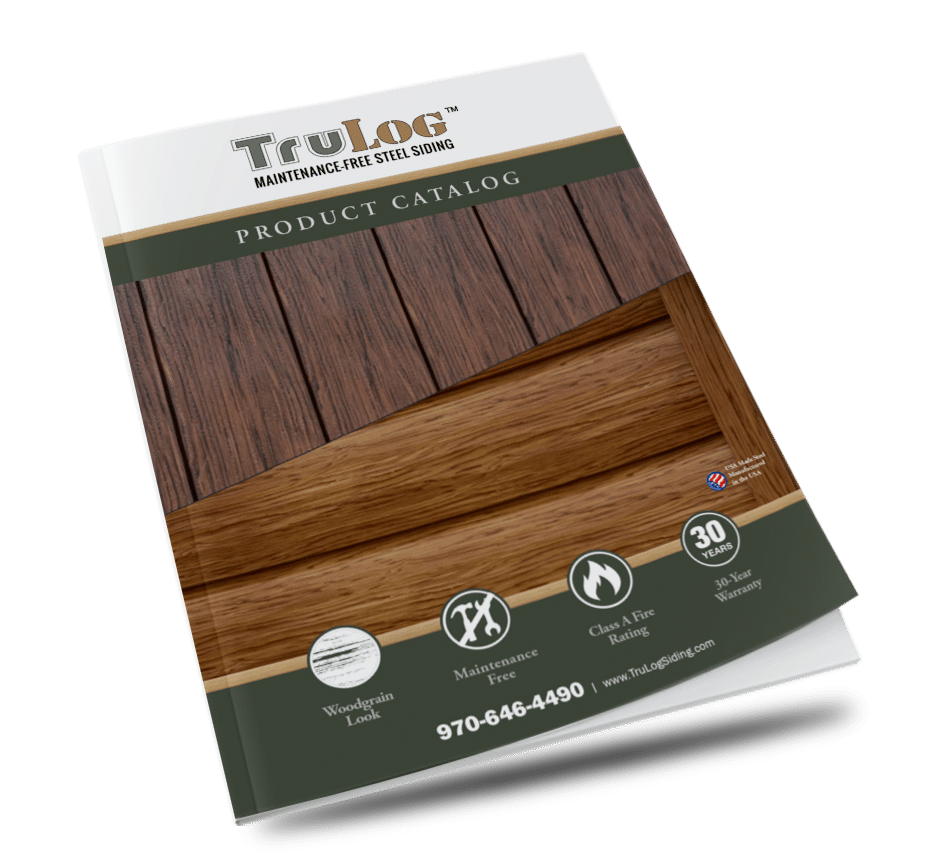
If you’ve never heard of wood-look metal siding, you’re in for a pleasant surprise! Crafted from high-quality steel, log-look metal siding allows homeowners to enjoy the nostalgic charm of a log cabin exterior, but with the upgraded experience of steel. Unlike natural wood, steel siding is essentially maintenance-free and designed to keep its original allure for the long run. And the resemblance to real wood is unmatched! Authentic wood grain patterns and natural color choices further enhance log-look metal siding, making it a top choice for durability and aesthetic quality.
Board and Batten Siding
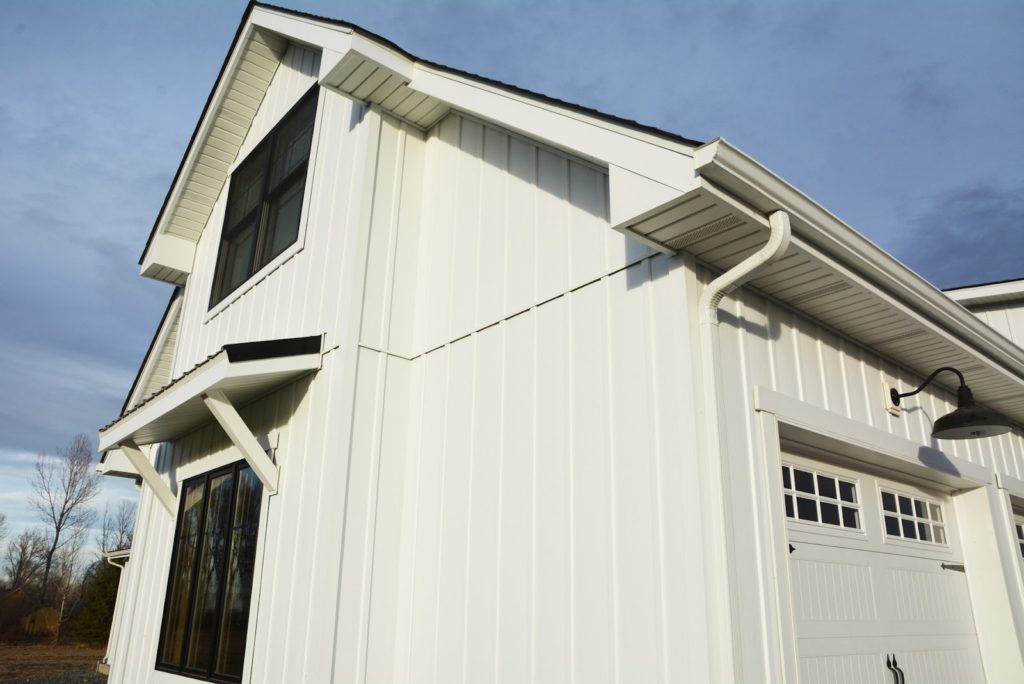
One of the most beloved design styles from coast to coast, the board and batten siding layout was originally invented with natural wood. Swap this material for strong metal and keep the authentic style for a smart exterior that performs better and lasts longer. Farmhouse white has become a super popular color for board and batten siding that creates a modern look, yet there are many colors that can be selected to show off this moderately textured exterior style.
Lap Siding
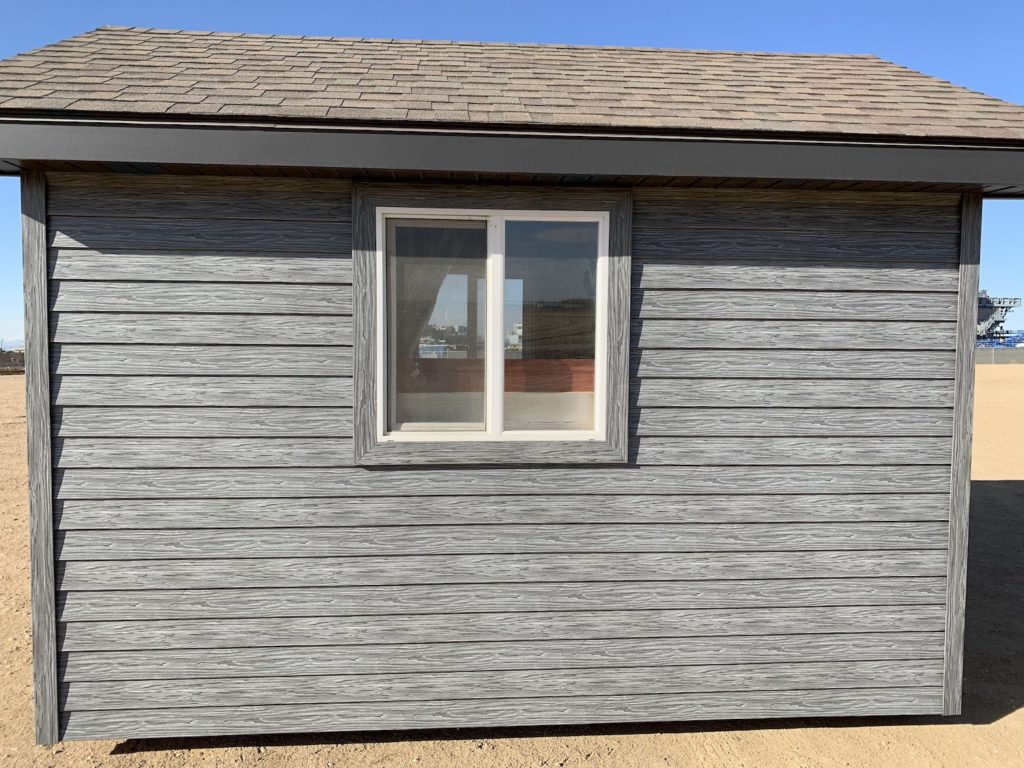
For a traditional look that stands the tests of time, lap siding is a steadfast winner. Simple in its appearance, metal lap siding offers low-key texture that can be emphasized with creative finishes, like a natural wood grain pattern or bright, modern colors. All of these styles — and more — are possible with metal lap siding.
A Trusted Resource for Metal Building Siding Options
Metal building siding options are nowhere near limited in today’s market. For the best metal siding that is available in an impressive range of colors, styles, and textures, check out the maintenance-free steel siding products offered by TruLog. They continue to be a trusted resource for contractors, homeowners, and builders who are looking for a smarter solution to exterior siding.
Explore metal building siding options from TruLog today to find the best fit for your next project!